
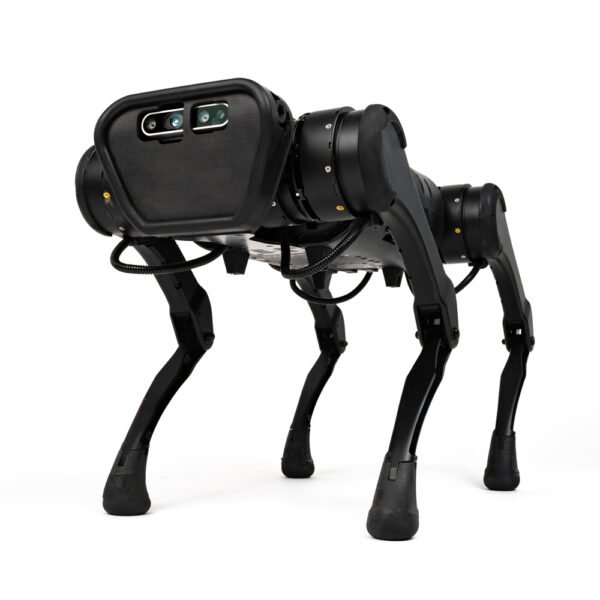
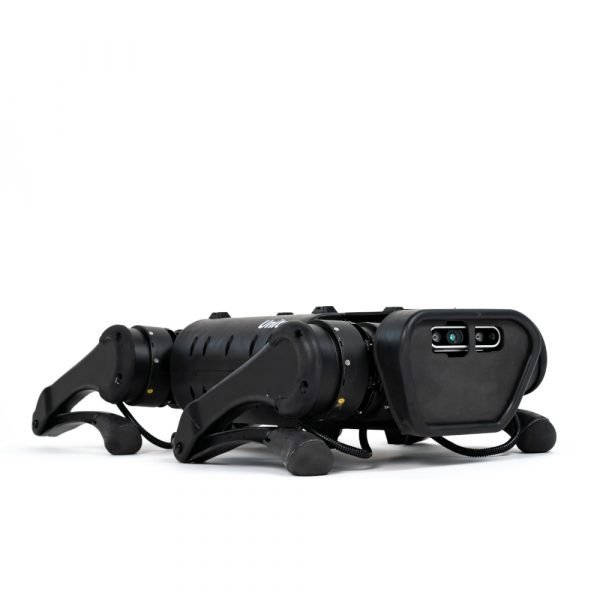
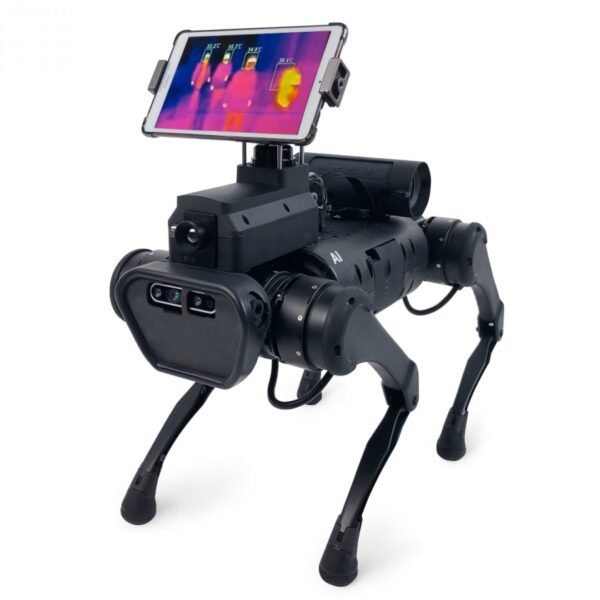
Unitree A1 Quadruped Robot

$12,600.00

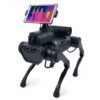
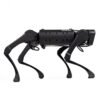
Unitree A1 is a high-speed research and education quadruped robot dog designed for robotics development, autonomous navigation research, and dynamic locomotion experiments with strong stability and advanced sensing capabilities.


📷 Overview of Unitree A1

Unitree A1 is one of Unitree Robotics’ earlier high-performance quadruped platforms, built specifically for research, SLAM development, AI experimentation, and robotic motion control studies. It is not a consumer product—it is designed for engineers, universities, and robotics labs working on legged robot intelligence and mobility systems.

It focuses on speed, balance, and sensor-driven autonomy, making it a foundational platform for modern robot dog development.


⚡ Performance and Movement Ability

Unitree A1 is known for being fast and agile compared to many early quadruped robots:

  • Maximum running speed: ~3.3 m/s (11.88 km/h)
  • Can perform dynamic movements like running and jumping
  • Strong balance recovery even after disturbances
  • Advanced motion control algorithms for stable locomotion

In fact, its speed is close to human jogging pace, making it useful as a mobility research platform for dynamic movement studies.


🧠 AI, Vision, and Autonomy

Unitree A1 integrates multiple intelligent systems for perception and navigation:

  • Depth camera system (0.3–10 m sensing range)
  • Visual SLAM for mapping and localization
  • Dynamic obstacle avoidance
  • Real-time object tracking and following
  • Gesture recognition and human interaction modes

So, it is widely used to test AI-driven locomotion and autonomous navigation algorithms.


⚙️ Engineering and Control System

Unitree A1 is designed as a fully programmable robotics platform:

  • 12 degrees of freedom (DOF) quadruped structure
  • High-torque joint motors (~33.5 Nm peak torque)
  • Real-time motor-level control (position, torque, velocity)
  • ROS-compatible development environment
  • External interfaces for sensors and compute modules

This allows researchers to directly modify low-level motion control and AI behavior systems.


🔋 Battery and Runtime

  • Operating time: ~1–2.5 hours depending on load and usage
  • Rechargeable lithium battery system
  • Optimized for short-to-medium research sessions rather than long deployment

So, it is designed more for experimentation than continuous field operation.


🏃 Terrain Capability

Unitree A1 can handle:

  • Flat indoor surfaces
  • Outdoor rough terrain (limited compared to newer models)
  • Slopes and small obstacles
  • Dynamic terrain adaptation through real-time sensing

Its strength lies in controlled robotics environments and algorithm testing, not heavy industrial deployment.


🔑 Key Features

  • Quadruped research robot platform
  • Max speed: ~3.3 m/s
  • 12 DOF motion system
  • 33.5 Nm joint torque motors
  • Depth camera (0.3–10 m range)
  • Visual SLAM + obstacle avoidance
  • Gesture recognition + human following
  • ROS / SDK support for development
  • Real-time motor control interface
  • Designed for robotics research and AI testing

🎯 Why Unitree A1 Matters

Unitree A1 is important because it represents one of the early platforms that helped push affordable quadruped robotics into mainstream research labs. It enabled:

  • Legged locomotion research
  • AI-based motion learning
  • SLAM and navigation experiments
  • Real-time robotic control systems

It is essentially a foundational research robot dog, not a modern industrial machine.


✔️ Bottom line

Unitree A1 is a research-focused quadruped robot platform built for robotics engineers and academic environments. It is fast, programmable, and highly flexible, but it has been largely surpassed by newer models like Go2, B2, and B2-W in power, autonomy, and real-world deployment capability.

Available Options
Quantity
    Category:

    Unitree A1 is a high-speed research and education quadruped robot dog designed for robotics development, autonomous navigation research, and dynamic locomotion experiments with strong stability and advanced sensing capabilities.


    📷 Overview of Unitree A1

    Unitree A1 is one of Unitree Robotics’ earlier high-performance quadruped platforms, built specifically for research, SLAM development, AI experimentation, and robotic motion control studies. It is not a consumer product—it is designed for engineers, universities, and robotics labs working on legged robot intelligence and mobility systems.

    It focuses on speed, balance, and sensor-driven autonomy, making it a foundational platform for modern robot dog development.


    ⚡ Performance and Movement Ability

    Unitree A1 is known for being fast and agile compared to many early quadruped robots:

    • Maximum running speed: ~3.3 m/s (11.88 km/h)
    • Can perform dynamic movements like running and jumping
    • Strong balance recovery even after disturbances
    • Advanced motion control algorithms for stable locomotion

    In fact, its speed is close to human jogging pace, making it useful as a mobility research platform for dynamic movement studies.


    🧠 AI, Vision, and Autonomy

    Unitree A1 integrates multiple intelligent systems for perception and navigation:

    • Depth camera system (0.3–10 m sensing range)
    • Visual SLAM for mapping and localization
    • Dynamic obstacle avoidance
    • Real-time object tracking and following
    • Gesture recognition and human interaction modes

    So, it is widely used to test AI-driven locomotion and autonomous navigation algorithms.


    ⚙️ Engineering and Control System

    Unitree A1 is designed as a fully programmable robotics platform:

    • 12 degrees of freedom (DOF) quadruped structure
    • High-torque joint motors (~33.5 Nm peak torque)
    • Real-time motor-level control (position, torque, velocity)
    • ROS-compatible development environment
    • External interfaces for sensors and compute modules

    This allows researchers to directly modify low-level motion control and AI behavior systems.


    🔋 Battery and Runtime

    • Operating time: ~1–2.5 hours depending on load and usage
    • Rechargeable lithium battery system
    • Optimized for short-to-medium research sessions rather than long deployment

    So, it is designed more for experimentation than continuous field operation.


    🏃 Terrain Capability

    Unitree A1 can handle:

    • Flat indoor surfaces
    • Outdoor rough terrain (limited compared to newer models)
    • Slopes and small obstacles
    • Dynamic terrain adaptation through real-time sensing

    Its strength lies in controlled robotics environments and algorithm testing, not heavy industrial deployment.


    🔑 Key Features

    • Quadruped research robot platform
    • Max speed: ~3.3 m/s
    • 12 DOF motion system
    • 33.5 Nm joint torque motors
    • Depth camera (0.3–10 m range)
    • Visual SLAM + obstacle avoidance
    • Gesture recognition + human following
    • ROS / SDK support for development
    • Real-time motor control interface
    • Designed for robotics research and AI testing

    🎯 Why Unitree A1 Matters

    Unitree A1 is important because it represents one of the early platforms that helped push affordable quadruped robotics into mainstream research labs. It enabled:

    • Legged locomotion research
    • AI-based motion learning
    • SLAM and navigation experiments
    • Real-time robotic control systems

    It is essentially a foundational research robot dog, not a modern industrial machine.


    ✔️ Bottom line

    Unitree A1 is a research-focused quadruped robot platform built for robotics engineers and academic environments. It is fast, programmable, and highly flexible, but it has been largely surpassed by newer models like Go2, B2, and B2-W in power, autonomy, and real-world deployment capability.

    Shopping Cart
    Scroll to Top